
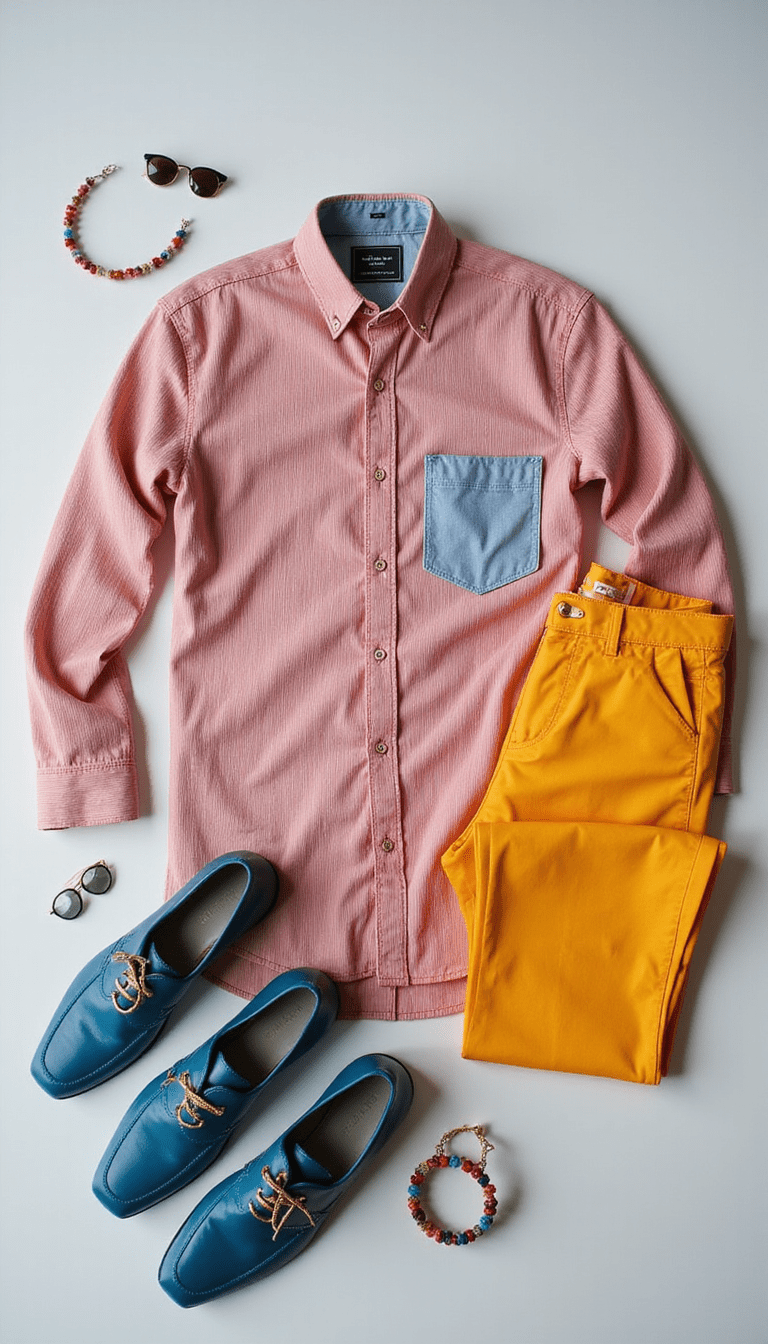
The Ultimate Clothing Colour Combinations and Outfit Matching Guide 🎨👗✨
1. Introduction
Mastering the art of clothing colour combinations can elevate your style, boost confidence, and help you make a lasting impression. Whether you’re dressing for a casual day out or a formal event, understanding how to coordinate your wardrobe colours ensures you always look polished and coherent. This comprehensive outfit colour matching guide will walk you through essential tips, inspiring ideas, and practical application strategies to create stunning ensembles.
2. The Basics of Wardrobe Color Coordination
Before diving into complex clothing color pairing, grasp the foundational principles:
- Color Wheel Understanding: Knowledge of primary, secondary, and tertiary colors helps in creating harmonious combinations.
- Neutral Colors: Black, white, beige, grey, and navy serve as versatile pairing options.
- Balance and Contrast: Mixing bold shades with softer tones adds visual interest without overwhelming.
For some creative inspiration, explore Old Money style ideas that emphasize understated yet elegant color coordination.
3. Popular Clothing Colour Combinations for Stylish Outfits
Here are some timeless and trendy outfit colour matching combos to consider:
Classic Monochrome Looks
Different shades of a single color create a sleek, cohesive vibe. Try pairing various tones of blue for a sophisticated look.
Complementary Colors
Colors opposite each other on the color wheel, such as blue and orange, create vibrant and eye-catching outfits.
Analogous Colors
Colors next to each other, like yellow, yellow-green, and green, produce harmonious ensembles perfect for casual wear.
Triadic Colors
Using three evenly spaced colors, such as red, yellow, and blue, adds a lively and balanced touch.
4. How to Match Outfit Colors for Different Occasions
Adjust your color choices based on the event:
- Casual Outings: Bright and playful combinations like pastel pinks with mint greens.
- Work Attire: Neutral palettes with subtle pops of color, e.g., beige trousers with a soft blue blouse.
- Formal Events: Elegant monochromes or subdued tones like black, navy, and metallic accents.
Find style tips for officialwear in creative wall decor ideas to inspire your outfit setup.
5. How to Use Accessories and Layers for Color Matching
Accessories like scarves, bags, and shoes are great for adding contrasting or complementary colors. For example:
- Combine a white outfit with bold red shoes and handbag for a pop of color.
- Layering a neutral-toned jacket over a vibrant top balances the look.
Experiment with layered fall outfit ideas to learn how accessories enhance colour harmony.
6. Tips for Mixing Patterns and Colors
Pairing patterns such as florals and stripes with solids can be challenging but rewarding. Follow these tips:
- Choose patterns that share a common color palette.
- Mix small and large patterns to maintain balance.
- Keep the rest of your outfit understated when wearing bold patterns.
For some pattern inspiration, visit creative accessory ideas.
7. Practical Tips for Color-Coordinated Wardrobes
Build a versatile wardrobe by focusing on:
- Having a core collection of neutral pieces.
- Introducing accent colours that are easy to mix and match.
- Investing in quality fabrics that improve color longevity.
Check out seasonal wardrobe updates for more ideas.
8. Maintaining and Updating Your Outfit Color Matching Skills
Stay current with new trends by following fashion influencers and experimenting with different color schemes. Don’t be afraid to try bold color pairings and learn from your style experiments.
For inspiration on seasonal styles, see fall party outfit ideas 2025.
9. Conclusion
Mastering clothing colour combinations and outfit matching is a powerful way to express your personal style. By understanding basic color theory, experimenting with different palettes, and paying attention to occasion-specific choices, you can create outfits that are both flattering and fashionable. Remember, confidence is key—so wear your colors proudly and have fun building your wardrobe!
Frequently Asked Questions (FAQs)
How do I choose the right colors for my skin tone?
Identify whether you have warm or cool undertones, then select colors that complement your complexion. Warm skin tones look great in earthy reds, oranges, and golden yellows, while cool tones suit blues, purples, and emerald greens.
What are some foolproof color combinations for beginners?
Neutral base with accent colors, for example, navy + white + red, or beige + blush + olive green, are easy to style and always look chic.
How can I incorporate vibrant colors without overpowering my outfit?
Use vibrant hues as accessories or statement pieces, balanced with neutral or muted tones in the rest of your outfit.
Next steps to improve your wardrobe’s color coordination skills?
Create a color palette, plan outfits ahead of time, and gradually introduce new shades to diversify your style. Consider exploring seasonal themes for inspiration.
Recommended Resources & Tools for Clothing Colour Combinations
Enhance your wardrobe with these helpful resources and tools:
- Essential Oils Set by Pure Aroma – While mainly for wellness, using scents like lavender can boost your mood and confidence while dressing stylishly.
- PURA D’OR Organic Sweet16 Essential Oils Set – Calm and relax before styling your outfits.
- Sun Essential Oils – Sweet Orange – Brighten your mood and boost creative fashion choices.
- Black Seed Oil, Rosehip Oil, Castor Oil Organic – Nourish your skin to look your best in every outfit.
- Multi-Use Oil for Face, Body, and Hair – Complete your grooming regime to match your wardrobe style.
- PURA D’OR Organic Perfect10 Essential Oils Set – Perfect for holistic wellness, helping you feel confident in your outfits.
- L’Occitane Almond Shower Oil – For a luxurious grooming experience.
These resources complement your style journey by promoting confidence, wellness, and self-care, completing your overall outfit presentation.
1 thought on “Ultimate Clothing Colour Combinations and Outfit Matching Guide”