
Mastering Light for Better Sleep 🌙💡✨
1. Introduction
Achieving quality sleep is essential for overall health and well-being. One often overlooked factor that can significantly influence sleep quality is lighting. Proper sleep improvement lighting can regulate your circadian rhythm, promote relaxation, and create an environment conducive to restful sleep. In this comprehensive guide, we’ll explore how you can harness the power of light therapy, optimal lighting strategies, and sleep hygiene tips to enhance your sleep quality naturally.
2. Understanding the Role of Light in Sleep
The human body’s internal clock, or circadian rhythm, is heavily influenced by lighting conditions. Exposure to natural and artificial light affects melatonin production, a hormone that regulates sleep-wake cycles. Proper sleep hygiene involves managing light exposure to support this process. Light during the day boosts alertness, while darkness at night signals the body to produce melatonin, promoting better sleep.
3. How Light Therapy Can Improve Sleep Quality
Light therapy involves exposing yourself to controlled artificial light to simulate natural sunlight. This approach helps reset circadian rhythm disruptions caused by irregular schedules, seasonal changes, or shift work. Using red light therapy devices or specialized lamps during morning hours can boost alertness and regulate sleep patterns, leading to improved sleep quality.
4. Optimal Lighting Strategies for Better Sleep
Creating a Sleep-Friendly Environment
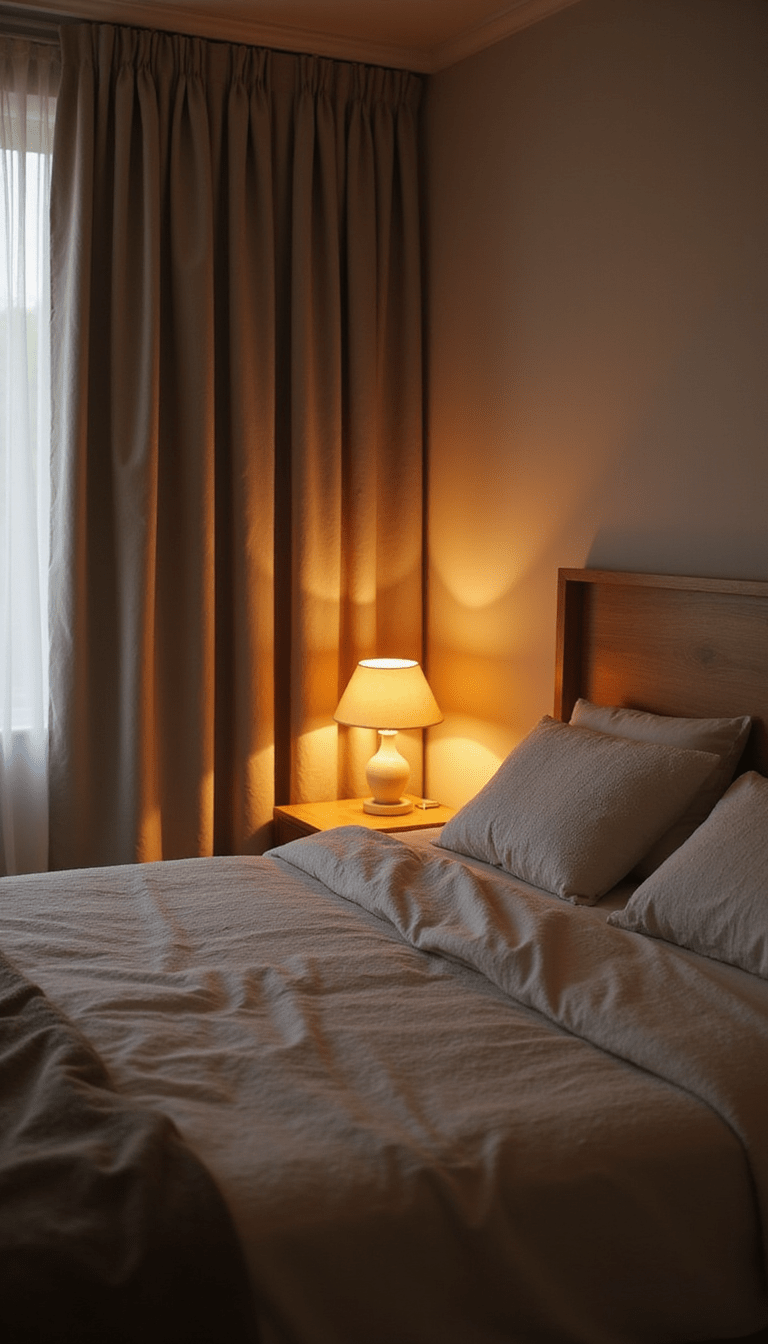
Transform your bedroom into a dark, calming sanctuary. Use blackout curtains to eliminate external light sources and reduce eye strain. Avoid bright screens at least an hour before bed, as blue light suppresses melatonin.
Adjusting Light Exposure During the Day
Spend time outdoors during daylight hours to naturally reinforce your circadian cues. If natural light isn’t sufficient, consider using light boxes or lamps with a high lux rating to mimic bright sunlight.
Leveraging Light for Sleep Hygiene
Implement dim, warm lighting in your bedroom during the evening. Consider smart lighting systems that gradually dim, helping signal to your body that it’s time to wind down.
5. Incorporating Light Therapy into Your Routine
Integrate short morning sessions with red light therapy panels or exposure to bright light to reinforce your sleep schedule. Consistency is key — aim for daily exposure to optimal light conditions to notice long-term benefits.
6. Practical Tips for Using Light Effectively
- Use infrared light therapy panels in the mornings to simulate sunlight and boost alertness.
- Install smart bulbs that can be programmed to dim automatically in the evening.
- Avoid bright screens before bedtime; instead, opt for dim, warm lights to promote relaxation.
- Consider using a high-waisted workout leggings or comfortable loungewear as part of your bedtime routine to enhance relaxation.
7. Common Mistakes and How to Avoid Them
One common mistake is exposure to bright light late at night, which can delay melatonin release. Always switch to dim, warm lighting as you approach bedtime. Another pitfall is relying solely on ambient lighting without considering light timing — ensure exposure to bright light in the morning and darkness at night to align with natural rhythms.
8. Next Steps to Mastering Light for Better Sleep
Start by evaluating your sleeping environment and adjusting lighting accordingly. Incorporate regular light therapy sessions, adjust your evening lighting, and aim for consistent daily light exposure. For a deeper dive, explore retreats focused on wellness and sleep optimization.
9. Conclusion
Optimizing your lighting environment is a powerful, natural way to enhance sleep quality and overall well-being. By understanding the role of light in sleep regulation, utilizing light therapy devices, and adopting strategic lighting habits, you can significantly improve your sleep hygiene. Remember, consistent effort and mindful adjustments are key to mastering light for better sleep and waking up refreshed every morning.
Recommended Resources & Tools for Sleep Improvement Lighting
To further assist you in your journey toward better sleep, consider exploring these effective tools and resources:
- Red Light Therapy for Body – Infrared Light Therapy Panel: An at-home device to harness red light therapy, improving sleep and relaxation.
- Large Red Light Therapy Pad: Provides targeted light therapy to aid sleep and muscle relaxation.
- Portable LED Face Mask Light Therapy: Uses red and near-infrared light for overall skin health and sleep support.
- Learn more about natural wellness retreats at BookRetreats.com to deepen your relaxation practices.
1 thought on “Mastering Light for Better Sleep”