
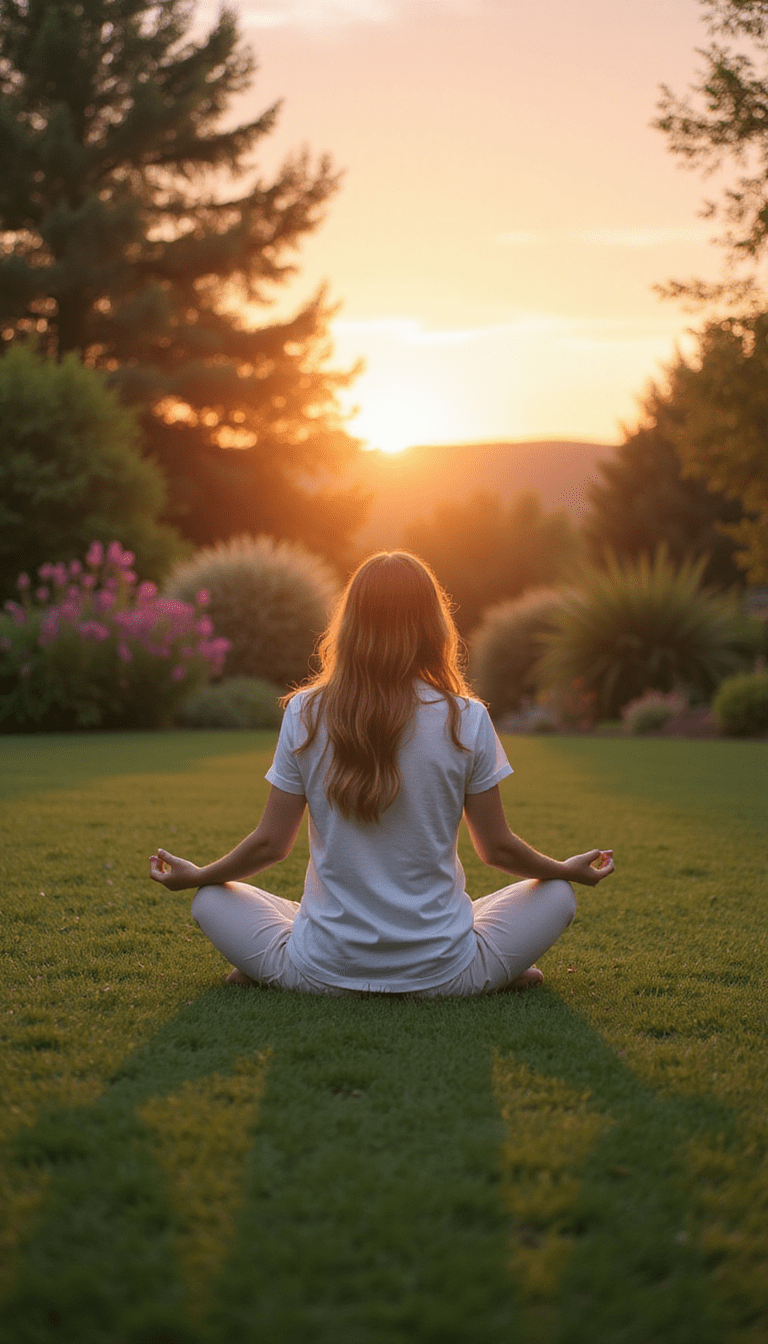
Using Visualization Techniques to Achieve Calm and Relaxation 🌿🧘♂️✨
1. Introduction
In our fast-paced world, finding moments of calm and relaxation can be challenging. Fortunately, visualization for calm is a powerful technique that can help reduce stress, enhance mindfulness, and promote overall well-being. By mastering calming visualization techniques, you can transform your mental state and create a peaceful inner environment, even amidst chaos. This article explores various methods, benefits, and practical tips to incorporate visualization into your daily routine for a more relaxed and centered life.
2. What Is Visualization for Calm?
Visualization for calm involves imagining peaceful and soothing scenes or scenarios to induce relaxation. This mental visualization relaxation technique promotes stress relief through controlled imagery, helping to distract the mind from anxiety and tension. It’s closely linked to mindfulness and breathing exercises, creating a comprehensive approach to stress management and mental wellness.
3. How to Practice Calming Visualization Techniques
Creating Your Serenity Space
Find a quiet, comfortable place where you won’t be disturbed. Close your eyes, take deep breaths, and begin visualizing a serene scene—like a peaceful beach, a quiet forest, or a blooming garden. Focus on sensory details: the sound of waves, the scent of flowers, the warmth of sunlight.
Step-by-Step Guided Visualization
- Begin with deep, mindful breathing to center yourself.
- Imagine a calming scene in vivid detail, engaging all your senses.
- Slowly explore the scene—feel the textures, listen to the sounds, notice the colors.
- While immersed, repeat a calming affirmation or phrase to deepen your relaxation.
- Gently bring your awareness back to the present, carrying the sense of calm with you.
4. Benefits of Visualization for Relaxation and Stress Relief
- Reduces anxiety and lowers cortisol levels
- Enhances mindfulness and focus
- Improves sleep quality and duration
- Supports emotional regulation and mental clarity
- Provides a quick mental reset during stressful moments
5. Incorporating Visualization into Daily Life
Consistent practice is key to experiencing the full benefits. You can incorporate visualization for calm into your daily routine by:
- Setting aside 5-10 minutes each morning or evening
- Using visualization during breaks at work or in stressful situations
- Enhancing your meditation or mindfulness practices with guided imagery
- Adding breathing exercises to deepen your calming experience
For additional routines, check out this restorative evening routine.
6. Tips for Effective Visualization Practice
- Practice regularly to strengthen your mental imagery skills.
- Stay patient; vividness improves with time and consistency.
- Combine visualization with controlled breathing for enhanced relaxation.
- Avoid forcing images—allow scenes to unfold naturally in your mind.
- Use calming music or nature sounds to create an immersive experience.
7. Overcoming Challenges with Visualization
If your mind wanders or difficulty visualizing occurs, gently redirect your focus back to your scene. Use anchor phrases or affirmations like “I am calm” or “peace surrounds me” to ground yourself. Remember, persistence is essential—over time, visualizations become clearer and more effective.
8. Additional Resources and Tools for Mindfulness and Relaxation
Explore these tools to support your journey towards calm and relaxation:
- Energy renewal strategies
- Thyroid health tips
- Anti-inflammatory diets
- BookRetreats.com: The World’s #1 Retreat Site
Further enhance your relaxation with resources like Red Light Therapy Devices or Stainless Steel Tumblers.
9. Conclusion
Incorporating visualization for calm into your daily routine can significantly improve your stress levels, mental clarity, and overall well-being. With patience and practice, you can harness this simple yet effective technique to access deep relaxation whenever needed. Take time to explore various calming scenes, combine visualization with breathing exercises, and enjoy the peaceful benefits of a calm mind. Start today and transform your stress into serenity.
FAQ: Your Questions About Visualization and Relaxation
How long should I practice visualization each day?
Start with 5-10 minutes daily and increase duration as you become more comfortable with the practice.
Can visualization replace medication or therapy?
Visualization can complement professional treatments but should not replace medical advice or therapy when needed.
Do I need special equipment for visualization?
No equipment is necessary; a quiet space and your imagination are sufficient. However, calming music or guided recordings can enhance your experience.
What are some common challenges faced when practicing visualization?
Difficulty maintaining focus, wandering thoughts, or vividness of imagery. These can be overcome with patience and consistent practice.
Where can I find guided visualization exercises?
Many apps and online resources offer guided sessions—search for meditation or visualization apps on your preferred platform.
Recommended Resources & Tools for Visualization and Relaxation
Enhance your relaxation journey with these curated resources:
- BookRetreats.com: The World’s #1 Retreat Site
- Animal Retreats
- Culinary Retreats
- Marriage Retreats
- Self Improvement Retreats
- Red Light Therapy for Body
- Large Red Light Therapy Pad
- Red Light Therapy Face Mask
- DKNY Women’s Sport Tummy Control Leggings
- Workout Shorts for Women
- Workout Sets for Women
- Workout Jackets for Women
- Loose Fit T-Shirts for Women
- High Waist Yoga Pants
- Stainless Steel Tumbler
- Insulated Travel Bottle
- Lilac Chug Jug 64 oz
- FlowState Insulated Bottle
- HydroJug Traveler
3 thoughts on “Using Visualization Techniques to Achieve Calm and Relaxation”