
Mastering Hormonal Balance Through Food 🌿✨🍎
1. Introduction
Hormonal balance is a cornerstone of overall health and well-being. When our hormones—such as estrogen, progesterone, insulin, and cortisol—are in harmony, we experience better energy levels, mood stability, and physical health. Achieving this balance is often about more than medication; it involves understanding how food impacts our endocrine health and supporting our body’s natural hormone regulation. In this article, we will explore how specific dietary choices and nutrients can optimize hormone support, leading to a healthier, more vibrant life.
2. Understanding Hormonal Regulation and Its Impact on Health
Hormonal regulation refers to the body’s ability to produce, balance, and eliminate hormones effectively. Disruptions can lead to issues like weight gain, fatigue, mood swings, and menstrual irregularities. Foods rich in essential nutrients can aid in maintaining this delicate balance. For example, incorporating foods high in fiber and healthy fats can enhance endocrine health and support hormone production.
Learn more about healing inflammation naturally with food.
3. Key Nutrients for Hormone Support
Healthy Fats
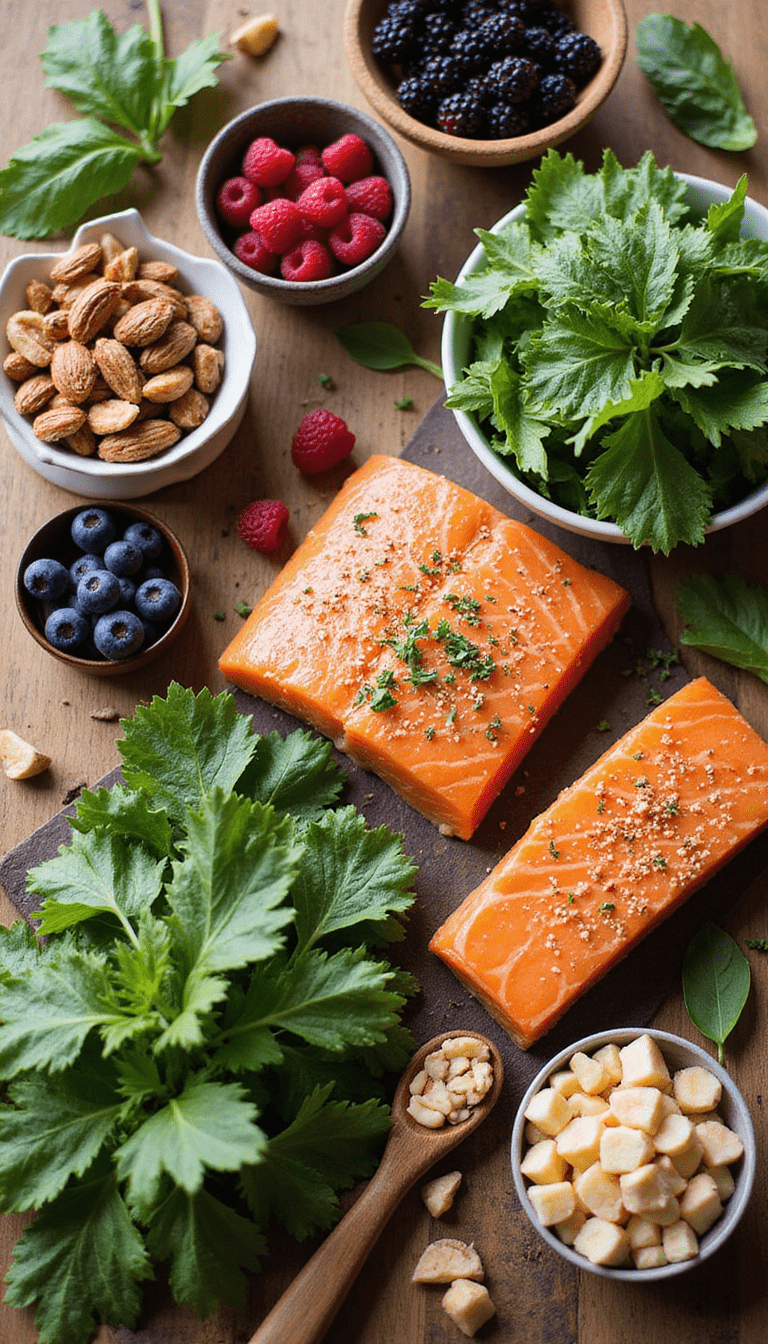
Foods like avocados, nuts, seeds, and fatty fish supply omega-3 and omega-6 fatty acids, which are vital for hormone synthesis and regulation.
Protein
Proteins provide amino acids necessary for hormone production. Include sources like eggs, lean meats, and plant-based options like legumes.
Fiber
High-fiber foods such as vegetables, fruits, and whole grains assist in balancing insulin levels and promoting detoxification.
Vitamins and Minerals
Vitamin D, magnesium, and zinc are crucial for endocrine function. Consider supplementing or incorporating foods like leafy greens, nuts, and fortified products.
4. Foods to Enhance Endocrine Health
Incorporate a diverse range of foods to promote hormonal equilibrium:
- Cruciferous vegetables (broccoli, cabbage) support estrogen metabolism.
- Shellfish and seeds (pumpkin, sunflower) are rich in zinc for hormone synthesis.
- Fermented foods (yogurt, sauerkraut) help in gut health, which is linked to hormone production.
For more habits that support gut health and hormone regulation, visit this guide on gut health support.
5. Lifestyle Tips for Hormonal Balance
Besides food, lifestyle factors significantly influence endocrine health:
- Manage stress through mindfulness and relaxation techniques. Check out mental resilience tips.
- Prioritize quality sleep by establishing a calming night routine: sleep routine strategies.
- Avoid excess caffeine and processed foods that can disrupt hormonal balance.
6. Hormone-Friendly Recipes & Meal Ideas
Incorporate delicious recipes that support hormone health:
- Grilled salmon with quinoa and steamed broccoli for omega-3 fatty acids and cruciferous vegetables.
- Chia seed pudding topped with berries and nuts for fiber and antioxidants.
- Stir-fried tofu with mixed greens and sesame oil for plant-based hormone support.
Looking for more ideas? Explore mindful eating practices to enhance your hormonal health journey.
7. Monitoring and Adjusting Your Hormonal Support Plan
Track your progress using wellness tools like the daily wellness tracker and keep an open dialogue with healthcare providers. Be attentive to changes in your physical and emotional health and adjust your diet and routines accordingly.
Remember, patience and consistency are key to hormonal balancing through food.
8. Common Questions About Hormonal Balance and Food
What foods should I avoid for hormonal health?
Avoid processed foods, excessive sugar, and trans fats that can interfere with endocrine function.
Can supplements help with hormonal regulation?
Supplements like vitamin D, magnesium, and omega-3s can support your diet but should be used under medical supervision.
How long does it take to see results?
Typically, noticeable changes may occur within 4-6 weeks of consistent dietary and lifestyle adjustments.
9. Conclusion
Achieving optimal hormonal balance is a multifaceted process that begins with nourishing your body through thoughtfully chosen foods. Prioritize healthy fats, fiber, and essential nutrients, while managing stress and ensuring restorative sleep. By integrating these strategies into your daily routine, you can support your endocrine health and enjoy improved well-being. Remember, small but consistent changes often yield the most sustainable results. Embrace the journey toward hormonal harmony, and your body will thank you for it.
Recommended Resources & Tools for Hormonal Balance
Explore these resources to further support your hormonal health journey:
- The World’s #1 Retreat Site — Discover retreats focused on wellness and hormonal support.
- Self Improvement Retreats — Enhance your mental and physical health with guided programs.
- Red Light Therapy for Body — A natural therapy to support overall health, including hormonal regulation.
- Red Light Therapy for Face — Improve skin health and circulation, beneficial for endocrine health.
- DKNY Women’s Sport Tummy Control Workout Yoga Leggings — Comfortable activewear to promote a healthy lifestyle.
1 thought on “Mastering Hormonal Balance Through Food”